
Tech
AI Lip Sync Explained: Stop Asynchronous Lips in Video Translations
Asynchronous videos look unprofessional. Learn how AI Lip Sync and Visual Dubbing perfect your translations – GDPR compliant and scalable.

Simon Pieren
Dec 23, 2025
Full Data Sovereignty
Personal point of contact
Highest Quality Lip Sync
Trusted by 1,200+ Companies
Use Cases
September 12, 2025
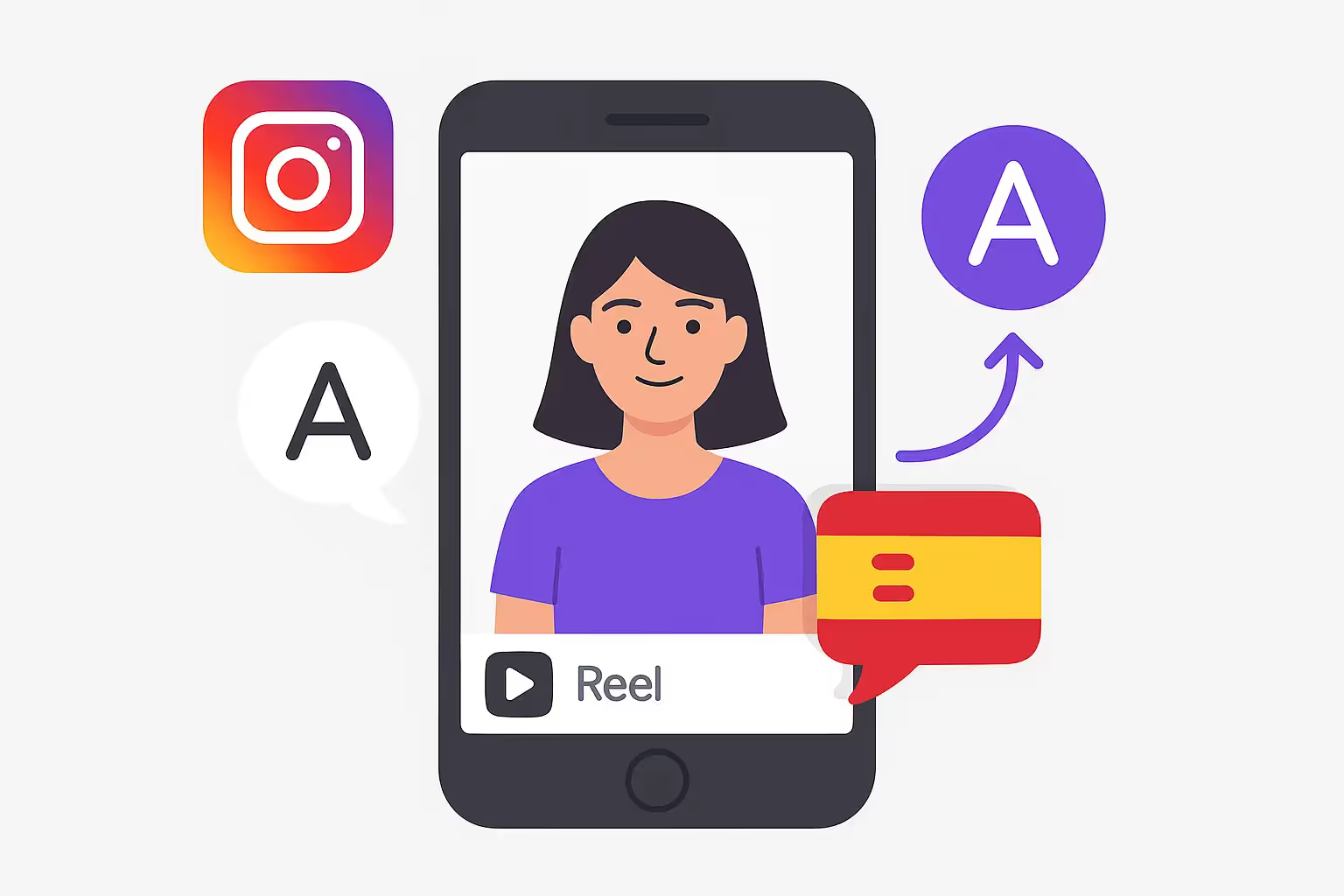
Instagram Reels are among the most powerful content formats for engagement and discovery. But many videos never reach their full potential – simply because they’re available in only one language.
That’s a missed opportunity.
With the right strategy and a reliable translation tool like Dubly, you can make your Reels accessible to international audiences – quickly, professionally, and without compromising on quality.
Broaden your reach across languages and regions
Improve accessibility, especially for educational or storytelling content
Increase engagement and completion rates
Strengthen brand presence in multilingual markets
Provide clarity and avoid misunderstandings, especially with fast-paced formats
Whether you're an agency, brand, or creator, translating Reels is a strategic move for growth.
The simplest approach: overlay translated text directly in the video.
Pros:
Fast and easy to implement
No audio processing required
Cons:
Limited space on mobile screen
Distracting during fast edits
Weak emotional connection
Lower performance in algorithm-driven environments
Record new voiceover audio, sync it in a video editor, and re-export the Reel.
Pros:
High production quality
Full creative control
Cons:
Time-consuming and expensive
Not scalable for frequent short-form content
Rigid workflow, difficult to adapt quickly
Dubly offers automated, high-quality translations for spoken videos – with natural-sounding voices, lip sync (if needed), and exportable audio files.
Pros:
Realistic voice output in 30+ languages
Editable translations, including timing and tone
Custom glossaries for brand-specific vocabulary
Optional reviewer access for your own native speakers, for premium quality
.mp3 audio export for easy use in editing
Scalable for individual creators and enterprise teams
GDPR-compliant infrastructure
Cons:
Dubly is ideal for Reels with clear spoken content, including:
Tips, how-tos, and micro-tutorials
Thought leadership and behind-the-scenes commentary
Product announcements and demonstrations
Educational or awareness content
Interviews and talking-head clips
Music-only or abstract visual content is less relevant for dubbing.

Dubly is purpose-built to help brands and creators translate short-form content effectively. It combines automation with quality, flexibility, and scalability.
What sets Dubly apart:
High-quality synthetic voices that sound natural
Lip sync support for enhanced realism
Direct audio export for integration into Reels
Custom glossary for technical or brand terminology
Optional review by native speakers
Live support and customized workflows
Full compliance with EU data protection regulations
Whether you're translating one Reel or hundreds, Dubly grows with your content strategy.
Results in just a few minutes
No credit card required
Best translation quality worldwide
Instagram is built for speed, creativity, and visibility.
When your message resonates in multiple languages, you unlock entirely new levels of reach and engagement.
Dubly gives you the tools to translate your Reels quickly, naturally, and professionally – without complexity or compromise.
About the author

Simon Pieren
Co-Founder | Marketing & Sales
Tech
Asynchronous videos look unprofessional. Learn how AI Lip Sync and Visual Dubbing perfect your translations – GDPR compliant and scalable.
Simon Pieren
Dec 23, 2025
Use Cases
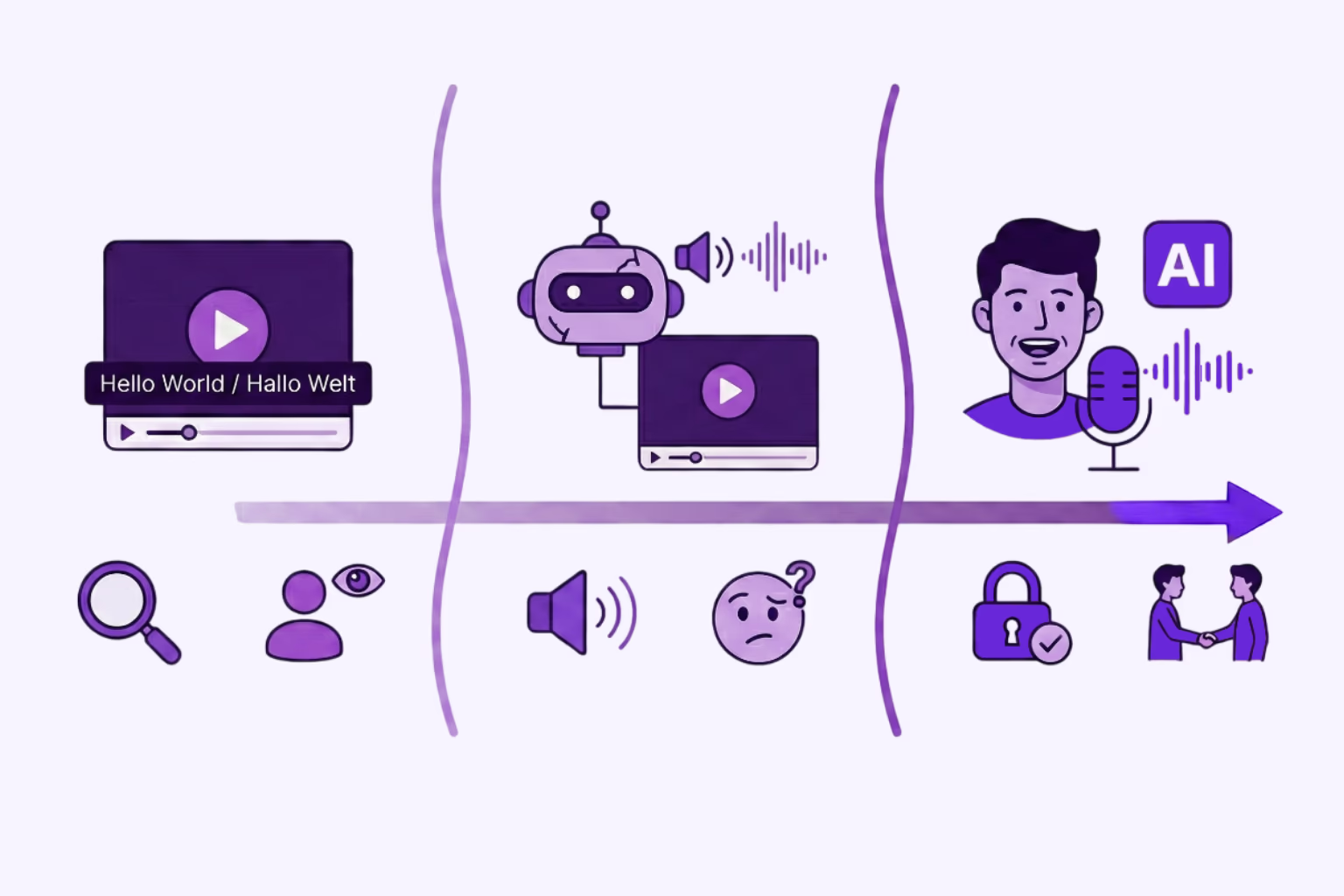
Looking for an AI video translator? We answer how to translate video free using 3 methods: Subtitles, Basic TTS, and Professional Lipsync.
Simon Pieren
Dec 8, 2025
Use Cases
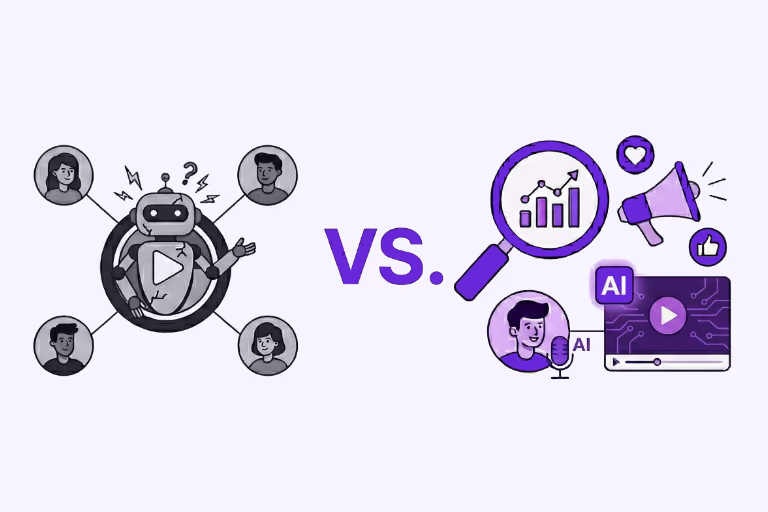
Looking to "translate video free"? Learn the technical differences between standard dubbing and generative AI Lip Sync, and how to test professional quality risk-free.
Simon Pieren
Nov 28, 2025